All products are free shipping and tax included

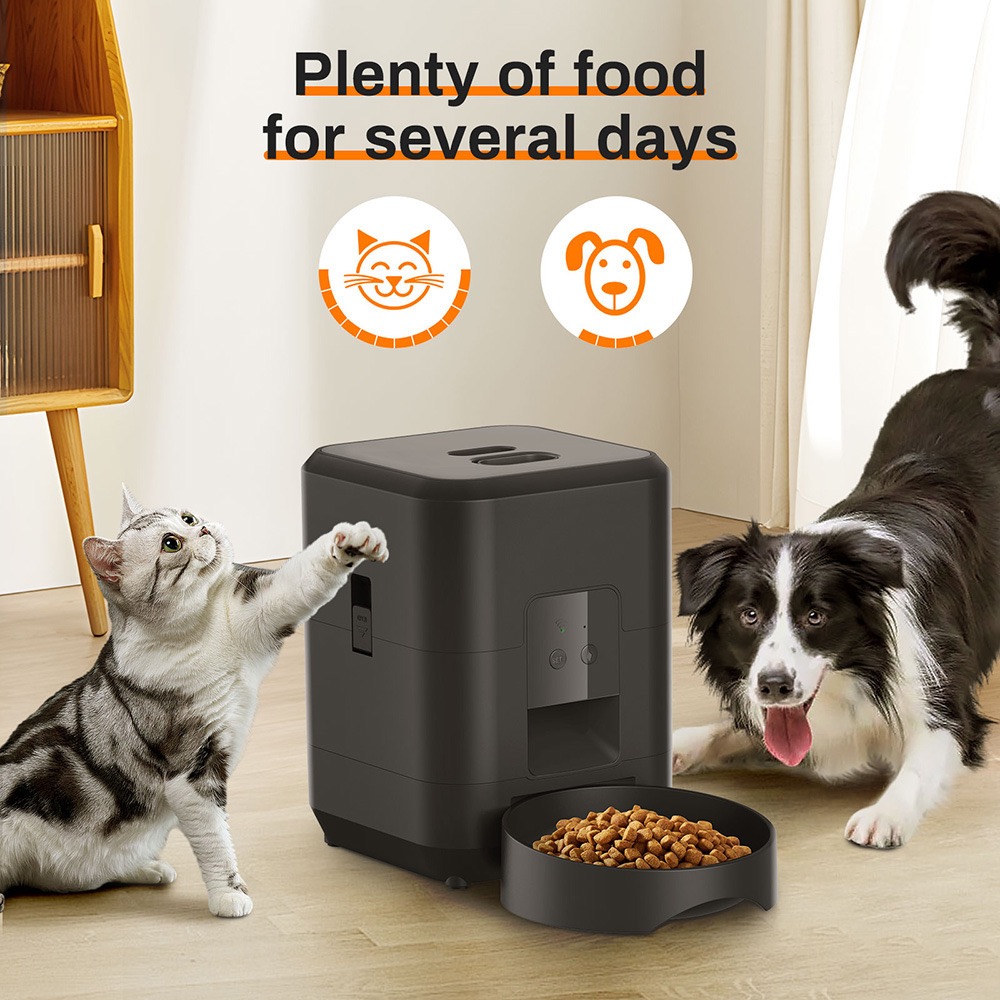
Smart pet feeder

The smart pet feeder is suitable for dogs and cats, providing automatic and scheduled feeding around the clock. It ensures that pets can receive a fixed amount of food at each meal, even when their owners are not at home
Introduction
As pet owners, ensuring our furry companions receive timely and appropriate nutrition is a top priority. However, busy schedules, travel, and unpredictable routines can make consistent feeding a challenge. Enter the pet smart feeder — a cutting-edge solution that automates feeding, controls portions, and even monitors your pet’s behavior remotely. These intelligent devices are more than just automatic dispensers; they integrate innovative technologies like IoT (Internet of Things), deep learning, and sensor fusion to personalize feeding and improve pet health.
In this article, we dive deep into the world of pet smart feeders, exploring their technology, key features, benefits, and how to select the best one tailored to your pet’s needs. Backed by recent research and expert reviews, this guide will help you make an informed decision to enhance your pet’s wellbeing and your peace of mind.
What is a Pet Smart Feeder?
A pet smart feeder is an automated device designed to dispense pet food at scheduled times with precise portion control. Unlike traditional feeders, smart feeders connect to Wi-Fi and allow remote management through smartphone apps. Advanced models incorporate cameras, two-way audio, and even pet recognition technology to ensure meals are delivered safely and accurately.
Key Technologies Behind Pet Smart Feeders
- Internet of Things (IoT): Enables remote control and monitoring of feeding schedules and portions via mobile devices.
- Deep Learning & AI: Some feeders use AI-powered cameras to identify pets, preventing unauthorized feeding and customizing portions.
- Sensor Fusion: Combines weight sensors, ultrasonic proximity sensors, and cameras to optimize food dispensing and prevent wastage.
According to a 2024 study published by Castillo-Arceo et al., integrating IoT with deep learning allows smart feeders to recognize individual pets and dispense customized portions based on their weight, significantly improving nutrition management and owner convenience. Source
Benefits of Using a Pet Smart Feeder
1. Precise Portion Control
Overfeeding or underfeeding pets can lead to health issues like obesity or malnutrition. Smart feeders use weight sensors and programmable settings to dispense the exact amount of food your pet needs, supporting weight management and dietary goals.
2. Remote Scheduling and Monitoring
With Wi-Fi connectivity, you can schedule multiple meals per day, adjust portions on the fly, and receive real-time alerts about feeding status or low food levels — all from your smartphone, no matter where you are.
3. Enhanced Pet Safety and Convenience
Sensor-activated feeders ensure food is dispensed only when your pet approaches, reducing food wastage. Some models feature microchip or RFID recognition to prevent other pets from stealing food, ideal for multi-pet households.
4. Food Freshness Preservation
Many smart feeders come with airtight compartments and desiccant systems to keep dry kibble fresh and free from moisture, maintaining nutritional quality over time.
5. Interactive Features
Cameras with two-way audio allow you to check on your pet and communicate during feeding times, reducing separation anxiety and strengthening your bond.
Types of Pet Smart Feeders
Understanding the different types of smart feeders can help you choose the right one for your pet:
How to Choose the Best Pet Smart Feeder
Selecting the right pet smart feeder depends on various factors tailored to your lifestyle and your pet’s needs.
1. Compatibility and Connectivity
- Look for feeders supporting
- Ensure compatibility with your smartphone OS (iOS/Android) and smart home systems like Alexa or Google Assistant.
2. Food Capacity and Portion Control
- Choose a feeder with adequate capacity (e.g., 4–7 liters) to reduce refill frequency.
- Opt for models offering precise portion sizes, adjustable from as low as 10 grams to larger servings for big dogs.
3. Scheduling Flexibility
- Multiple daily feeding schedules (up to 15 meals) allow customization for pets with special dietary needs.
- Some feeders offer adaptive scheduling based on pet eating patterns.
4. Monitoring and Interaction
- Cameras (1080p or higher) with night vision help monitor pets remotely.
- Two-way audio and voice recording features let you call your pet during mealtime.
5. Safety Features
- Anti-jamming mechanisms prevent food clogs.
- Lockable lids and RFID recognition prevent food theft.
- Sensors to detect pet presence ensure food is only dispensed when needed.
6. Power Supply
- Consider feeders with dual power options: AC adapter and battery backup for uninterrupted operation during outages.
7. Ease of Cleaning
- Removable, dishwasher-safe bowls and sealed compartments simplify maintenance.
Top Pet Smart Feeders in 2026: Insights from Expert Reviews
Drawing from recent expert tests and user feedback (OfZenAndComputing, Three Hearts Home), here are some standout models:
Oneisall 5G Wi-Fi Automatic Cat Feeder
- Pros: Stable 5G Wi-Fi, dual bowl to prevent food fights, 5L capacity, 100-day battery life.
- Best For: Multi-pet households and frequent travelers.
- Cons: Subscription needed for notifications; limited portion granularity.
Petlibro Automatic Cat Feeder with Camera
- Pros: 1080p HD camera with night vision, two-way audio, smart notifications.
- Best For: Owners wanting remote monitoring and interaction.
- Cons: Small portion sizes, complex app setup.
Voluas Automatic Feeder (Budget Option)
- Pros: Affordable, 4L capacity, voice call feature, dual power options.
- Best For: Budget-conscious users needing basic smart features.
- Cons: Limited to 4 meals daily; battery-powered only.
Sure Pet Care Surefeed Microchip Feeder
- Pros: Microchip recognition prevents food stealing, supports wet & dry food.
- Best For: Multi-pet homes with different diets.
- Cons: Higher price; limited capacity.
Real-World Applications of Pet Smart Feeders
Beyond home use, automatic feeders are invaluable in:
- Veterinary Clinics: Ensuring precise feeding for animals under treatment.
- Pet Boarding Facilities: Maintaining consistent feeding schedules.
- Animal Shelters: Managing large numbers of animals efficiently.
- Research Labs: Controlling diet variables in studies.
- Pet Stores: Demonstrating feeding products while keeping animals fed.
Frequently Asked Questions (FAQs)
Q1: Can smart feeders handle wet food?
Most smart feeders are designed for dry kibble. However, some models like the Surefeed microchip feeder support wet food with sealed compartments to preserve freshness.
Q2: How do smart feeders prevent overfeeding?
They use portion control settings, weight sensors, and pet recognition to dispense only the programmed amount.
Q3: Are smart feeders safe for all pet sizes?
Yes, but it’s important to choose a feeder with appropriate capacity and portion size options for your pet’s breed and size.
Q4: What happens during a power outage?
Feeders with battery backup or dual power sources continue operating to prevent missed meals.
Conclusion
A pet smart feeder is a game-changer for pet owners seeking convenience, precision, and peace of mind. By combining IoT connectivity, AI-driven pet recognition, and sensor fusion technology, these feeders ensure your pet receives the right amount of food at the right time — even when you’re away. Whether you have a single pet or a multi-pet household, investing in a smart feeder enhances pet health, prevents overfeeding, and strengthens your bond through interactive features.
Ready to upgrade your pet’s feeding routine? Explore the latest smart feeders today and give your furry friend the care they deserve — effortlessly and intelligently.